Starting seeds indoors is one of the most effective ways to get a jumpstart on your garden, especially when dealing with short growing seasons or unpredictable weather. However, successfully growing seeds indoors depends heavily on choosing the right soil mix. Regular garden soil just won’t do—it’s too heavy, may carry pests or diseases, and lacks the ideal structure for seed germination.
In this guide, we’ll explore the best soil mix for seed starting, what ingredients to look for, how to make your own, and how to avoid common mistakes.
Why Seed Starting Soil Is Different
Seed starting mix is specially designed to support healthy germination and root development. Unlike potting soil or garden soil, it is:
Lightweight and fluffy for easy root penetration
Sterile and disease-free to prevent damping-off and fungal infections
Well-draining yet moisture-retentive to maintain consistent hydration
This perfect balance helps your seeds germinate faster and grow stronger.
What Makes the Best Soil Mix for Starting Seeds Indoors?
The ideal indoor seed starting mix should contain the following:
1. Coco Coir or Peat Moss
Provides a lightweight, moisture-holding base
Promotes even water distribution
Coco coir is a sustainable, eco-friendly alternative to peat moss
2. Perlite or Vermiculite
Enhances aeration and drainage
Prevents compacted soil that hinders root growth
Vermiculite also helps with moisture retention
3. Compost or Worm Castings (Optional)
Adds gentle nutrients after germination
Should be used sparingly—too much nutrition too early can harm seedlings
4. Sterility
Soil should be free of weeds, fungi, and pests
Always use fresh, sterilized seed starting mix for best results
Recommended Seed Starting Soil Mix Recipe
Here’s a simple DIY indoor seed starting mix that works for most flowers, vegetables, herbs, and fruit seeds:
2 parts coco coir or peat moss
1 part perlite or vermiculite
1 part organic compost or worm castings (optional for later stages)
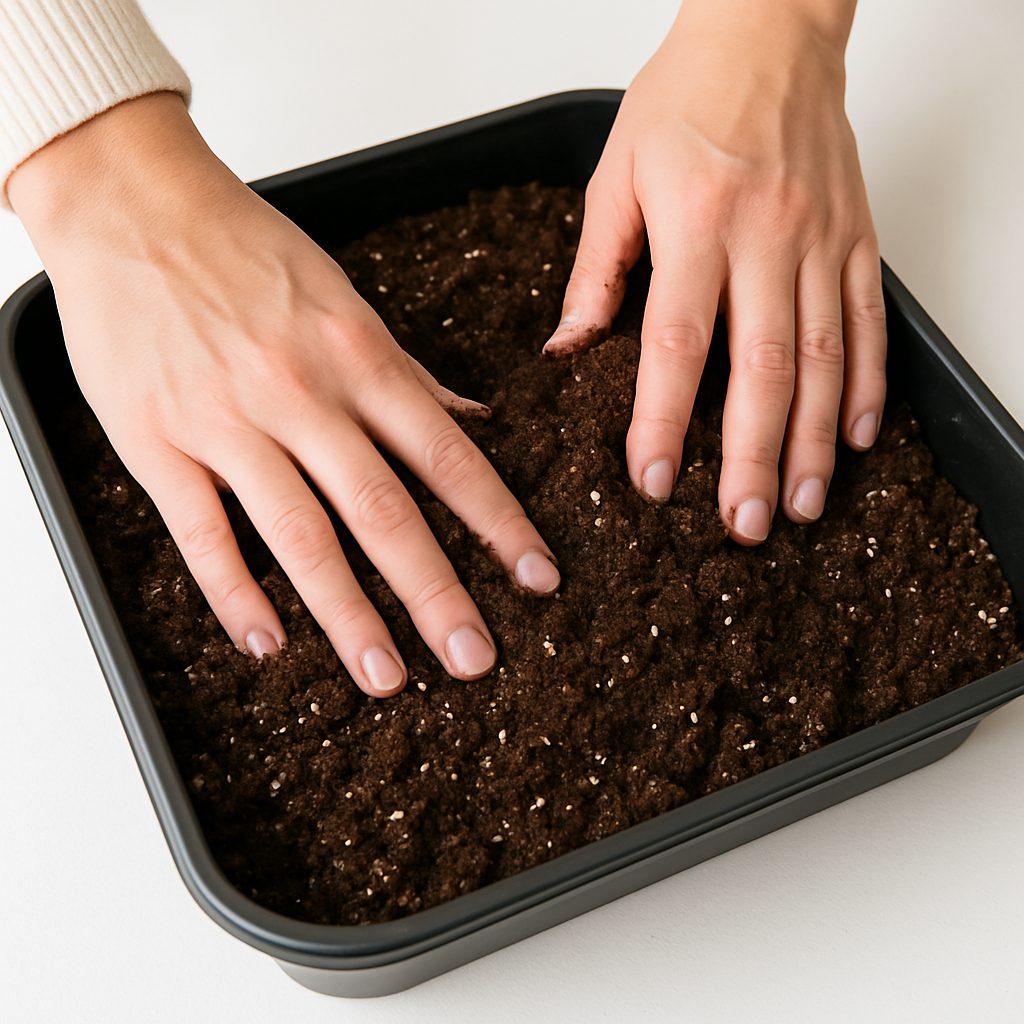
Mix well, moisten slightly before use, and fill your seed trays or containers evenly.
If you prefer a ready-made mix, look for products labeled as:
"Seed Starting Mix" or "Germination Mix"
Organic-certified and peat-free (if sustainability matters)
Free from synthetic fertilizers or pesticides
Some popular features to look for:
Fine texture for delicate seeds
Sterilized ingredients to prevent disease
Balanced moisture retention and drainage
Common Mistakes to Avoid
Using garden soil indoors – It’s too dense and may contain pests
Overwatering the soil – Leads to mold or root rot
Skipping sterilization – Introduces harmful bacteria or fungi
Using nutrient-rich potting soil too early – May burn tender seedlings
Not moistening the mix before planting – Dry soil repels water later
Tips for Seed Starting Success
Pre-moisten your seed starting mix before sowing
Keep humidity high with domes or plastic covers until germination
Use grow lights to ensure healthy, strong seedlings
Label your seed trays to keep track of your varieties
Transplant to richer soil once the seedlings grow 2–3 true leaves
Final Thoughts
Choosing the best soil mix for starting seeds indoors is a critical step for healthy, vigorous plant growth. Whether you’re growing flowers, vegetables, or herbs from seed, a light, sterile, and well-draining mix will give your garden the strong start it deserves.