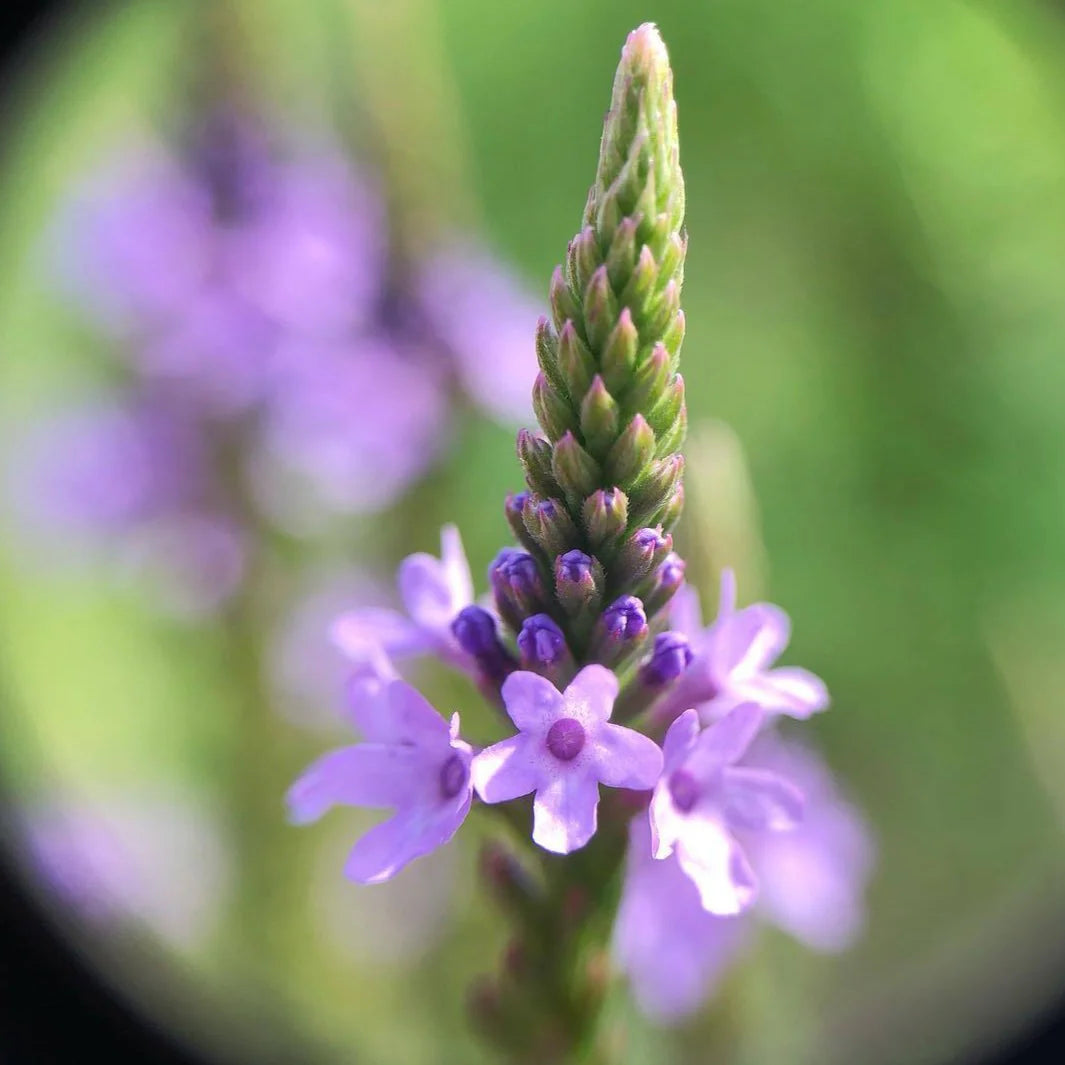
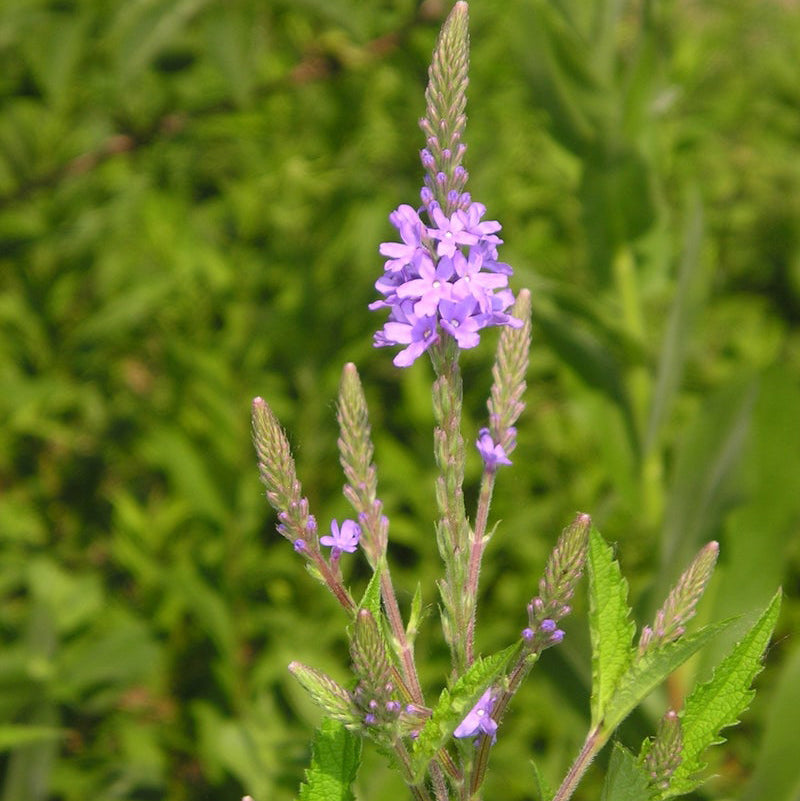
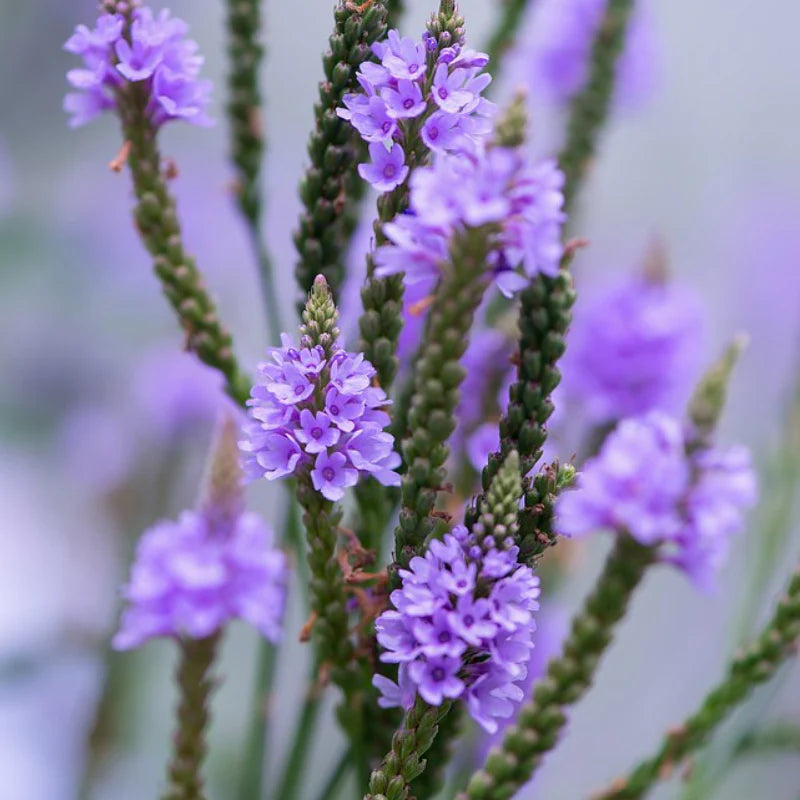
Blue Vervain is a native North American perennial herb known for its tall, slender spikes adorned with small purple flowers. Traditionally valued for its medicinal properties, it thrives in moist environments and attracts a variety of pollinators, making it a beneficial addition to gardens focused on biodiversity.
What are the best growing conditions for Blue Vervain Herb Seeds for Planting – Heirloom, Non-GMO, Pollinator-Friendly, and Perennial?
Blue Vervain Herb Seeds for Planting – Heirloom, Non-GMO, Pollinator-Friendly, and Perennial grows best in well-drained soil with moderate sunlight. It prefers mild temperatures and regular watering to keep the soil moist but not soggy.
How long does it take for Blue Vervain Herb Seeds for Planting – Heirloom, Non-GMO, Pollinator-Friendly, and Perennial seeds to germinate?
Generally, Blue Vervain Herb Seeds for Planting – Heirloom, Non-GMO, Pollinator-Friendly, and Perennial seeds germinate within 14–30 days when kept in warm and moist soil conditions. Patience and consistent care yield the best results.
How often should I water Blue Vervain Herb Seeds for Planting – Heirloom, Non-GMO, Pollinator-Friendly, and Perennial?
For Blue Vervain Herb Seeds for Planting – Heirloom, Non-GMO, Pollinator-Friendly, Perennial, and keep the soil evenly moist by watering 2–3 times a week depending on the weather. Avoid overwatering as it can lead to root rot.
Can Blue Vervain Herb Seeds for Planting – Heirloom, Non-GMO, Pollinator-Friendly, and Perennial be grown in pots or containers?
Yes, Blue Vervain Herb Seeds for Planting – Heirloom, Non-GMO, Pollinator-Friendly, and Perennial can be grown in containers. Choose a pot with drainage holes and use nutrient-rich soil. Ensure the plant gets partial to full sunlight daily.
When can I harvest or expect visible growth from Blue Vervain Herb Seeds for Planting – Heirloom, Non-GMO, Pollinator-Friendly, and Perennial?
You can start observing healthy growth from Blue Vervain Herb Seeds for Planting – Heirloom, Non-GMO, Pollinator-Friendly, and Perennial after 6–8 weeks. Mature plants can be pruned or harvested as needed based on their type and use.

 Regular price $25.00 CADSale price $25.00 CAD Regular priceUnit price perSale Sold out