Buy 2 and get 10% off Buy 5 and get 15% off Buy 10 and get. 30% off
Couldn't load pickup availability
Payment & Security
Payment methods
Product Description
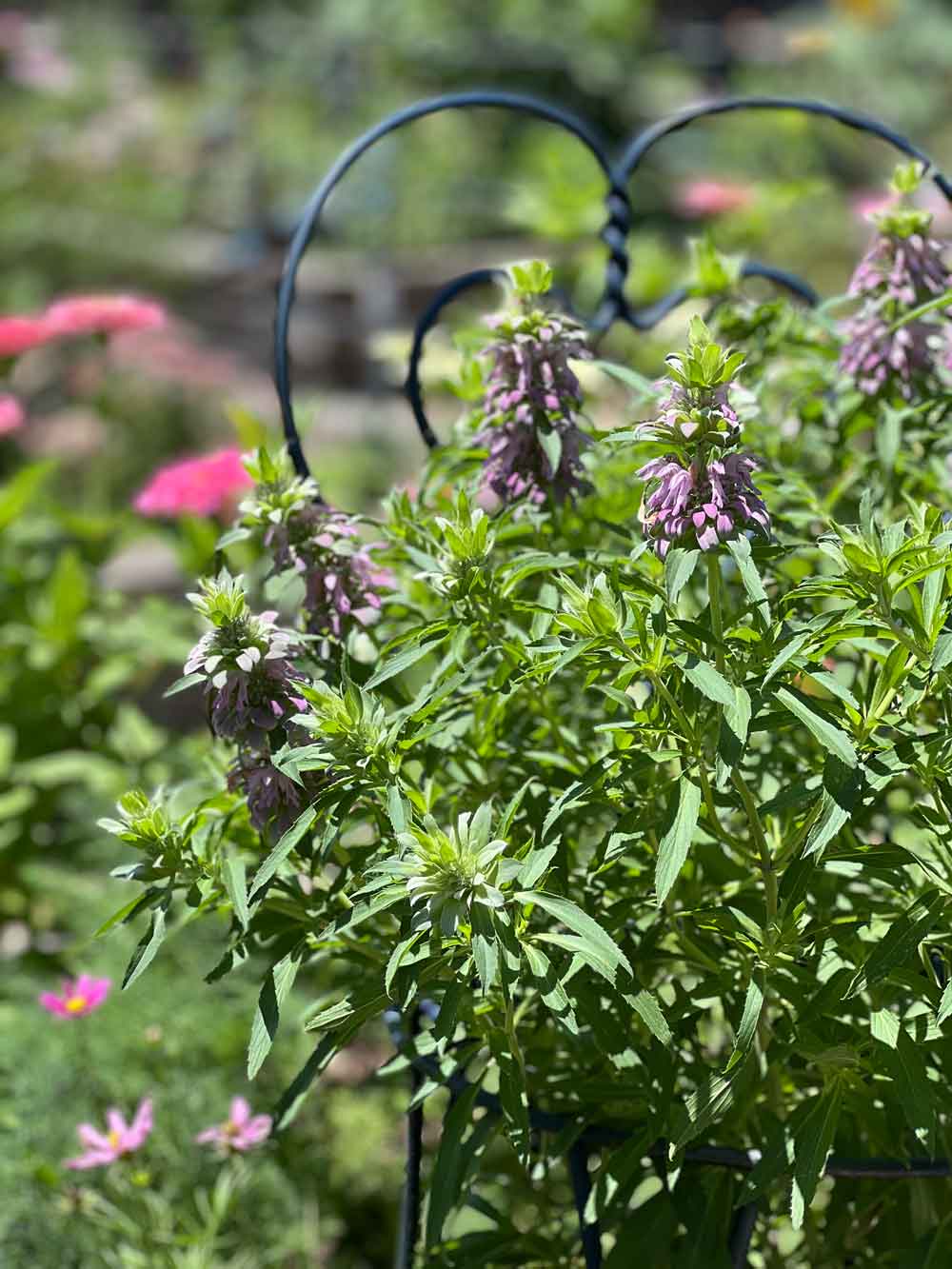
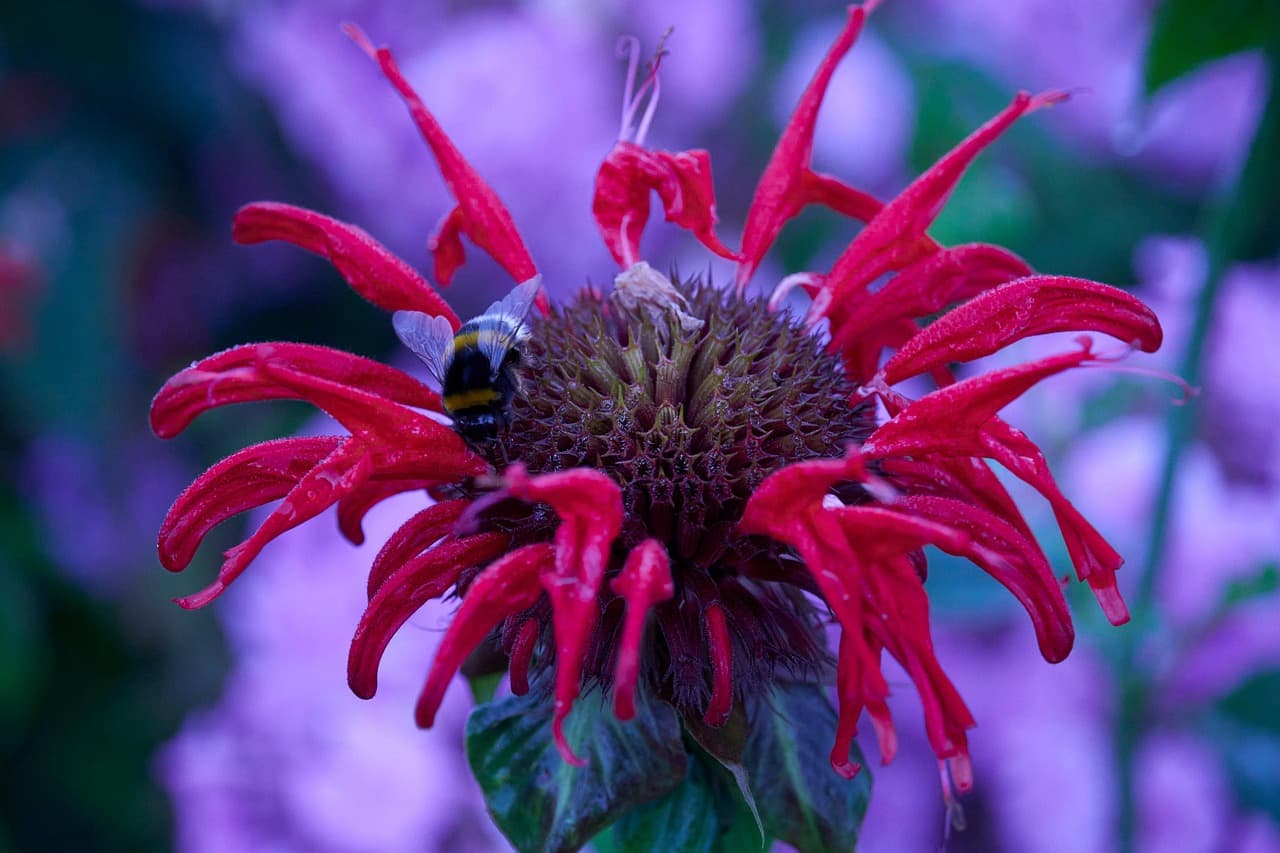
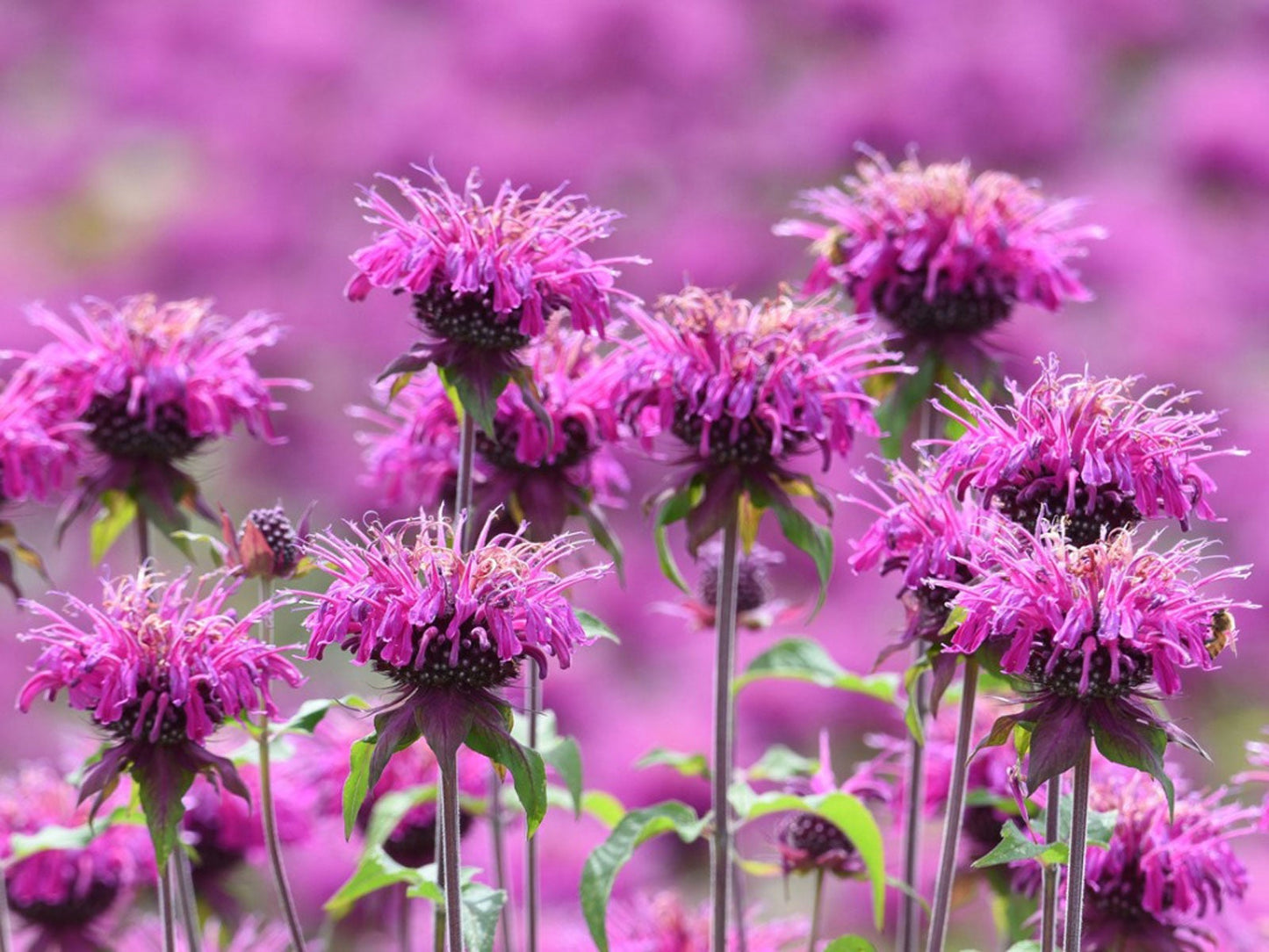
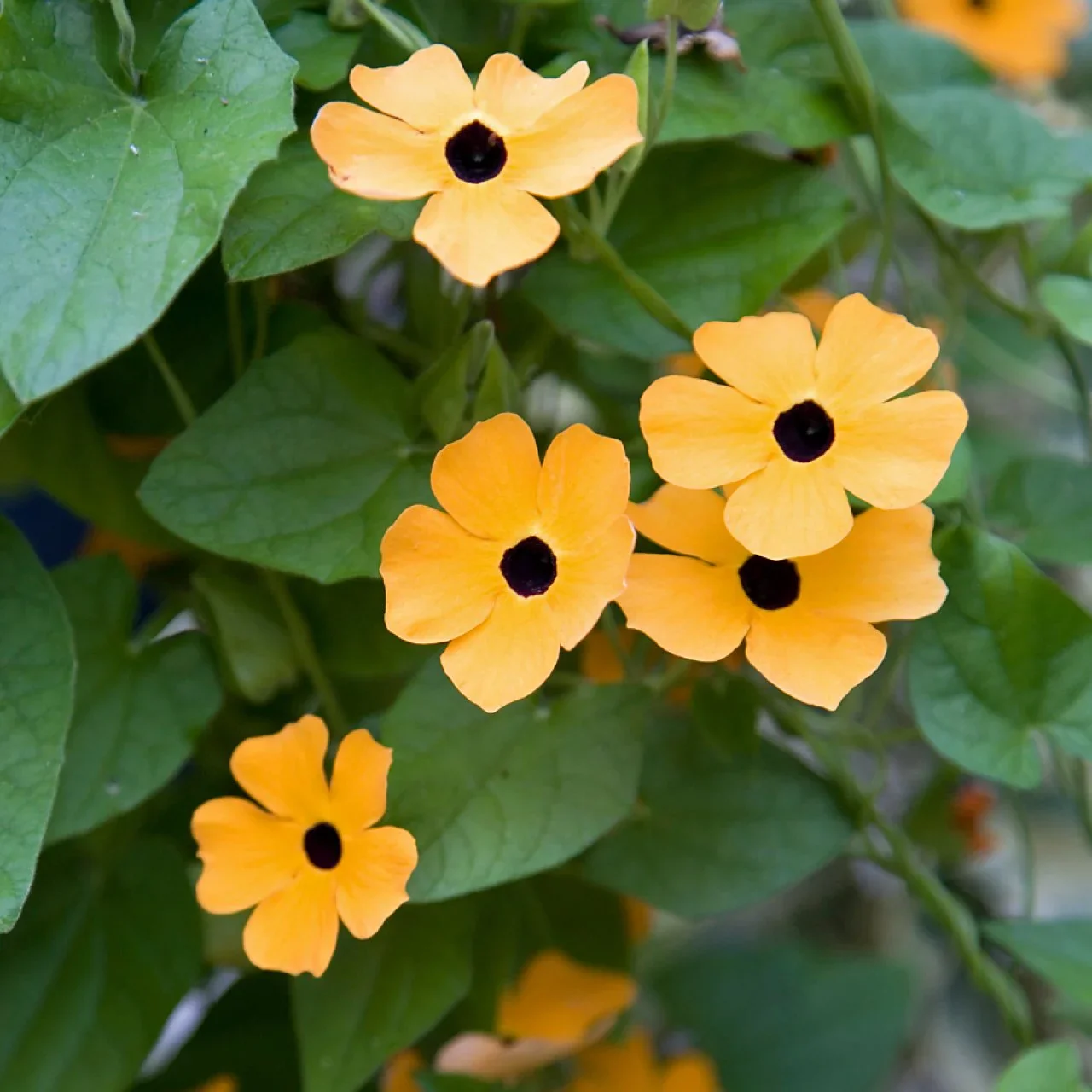
Planting bee balm seeds is an easy way to add vibrant color and pollinator activity to your garden. Bee balm produces clusters of bright, fragrant flowers that attract bees, butterflies, and hummingbirds throughout the summer. The seeds can be started indoors in early spring or sown directly outdoors after the last frost. With the right sunlight, moderate watering, and well-drained soil, bee balm grows into hardy perennial plants that return year after year.
Bee balm is a colorful perennial herb known for its fragrant, nectar-rich flowers that attract bees, butterflies, and hummingbirds. It adds beauty to gardens and is often used in pollinator-friendly landscapes. Traditionally, its leaves have been used for teas with a refreshing, minty taste.
These seeds brought so much life to my backyard. The flowers are healthy, bright, and hummingbirds and bees are constantly visiting. Very happy with this purchase!
M
Michael Harris
Beautiful and Hardy
I planted these in a partly shaded area, and they still thrived. The flowers are long-lasting and vibrant, and I�ve already recommended them to friends.
E
Emily Carter
Vibrant Blooms!
I planted these seeds in early spring and within weeks, the bee balm sprouted beautifully. The flowers are bright and attract tons of pollinators to my garden. Definitely worth the wait!
R
Rebecca Allen
Decent Seeds
Not all seeds germinated, but the ones that did grew into healthy, colorful plants. The bees seem to love them, which makes me happy.
L
Laura Simmons
A Bit Messy
The seeds themselves were good, but I found the germination uneven. Still, the blooms are gorgeous and attract pollinators, so I�m satisfied overall.
<div class="dynamic-checkout__content" id="dynamic-checkout-cart" data-shopify="dynamic-checkout-cart"> <shopify-accelerated-checkout-cart wallet-configs="[{"supports_subs":true,"supports_def_opts":false,"name":"shop_pay","wallet_params":{"shopId":92404777240,"merchantName":"Pure Asia Seeds","personalized":true}}]" access-token="9b6ef42a69bfa7a242ac1bbd33129581" buyer-country="AE" buyer-locale="ar" buyer-currency="AED" shop-id="92404777240" cart-id="ce89fa3ccda4376c186eab0391c90d44" enabled-flags="["32a68cd0","a1c7ccbe","ce346acf","c0874428"]" > <div class="wallet-button-wrapper"> <ul class='wallet-cart-grid wallet-cart-grid--skeleton' role="list" data-shopify-buttoncontainer="true"> <li data-testid='grid-cell' class='wallet-cart-button-container'><div class='wallet-cart-button wallet-cart-button__skeleton' role='button' disabled aria-hidden='true'> </div></li> </ul> </div> </shopify-accelerated-checkout-cart> <small id="shopify-buyer-consent" class="hidden" aria-hidden="true" data-consent-type="subscription"> One or more of the items in your cart is a deferred, subscription, or recurring purchase. By continuing, I agree to the <span id="shopify-subscription-policy-button">cancellation policy</span> and authorize you to charge my payment method at the prices, frequency and dates listed on this page until my order is fulfilled or I cancel, if permitted. </small> </div>
Choosing a selection results in a full page refresh.

 Regular price Dhs. 64.00 AEDSale price Dhs. 64.00 AED Regular priceUnit price perSale Sold out