Buy 2 and get 10% off Buy 5 and get 15% off Buy 10 and get. 30% off
Kon afhaalbeschikbaarheid niet laden
Payment & Security
Betaalmethoden
Product Description
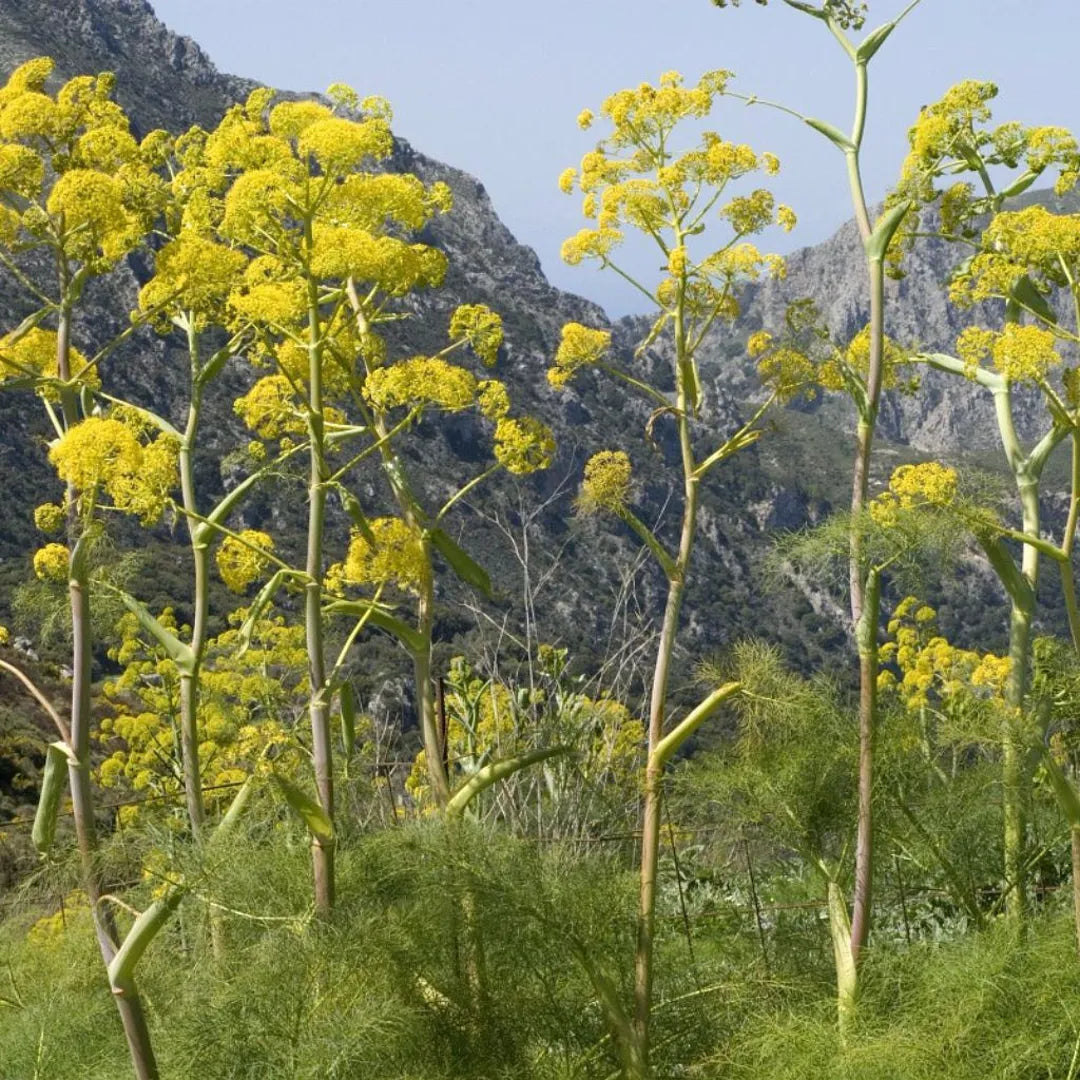
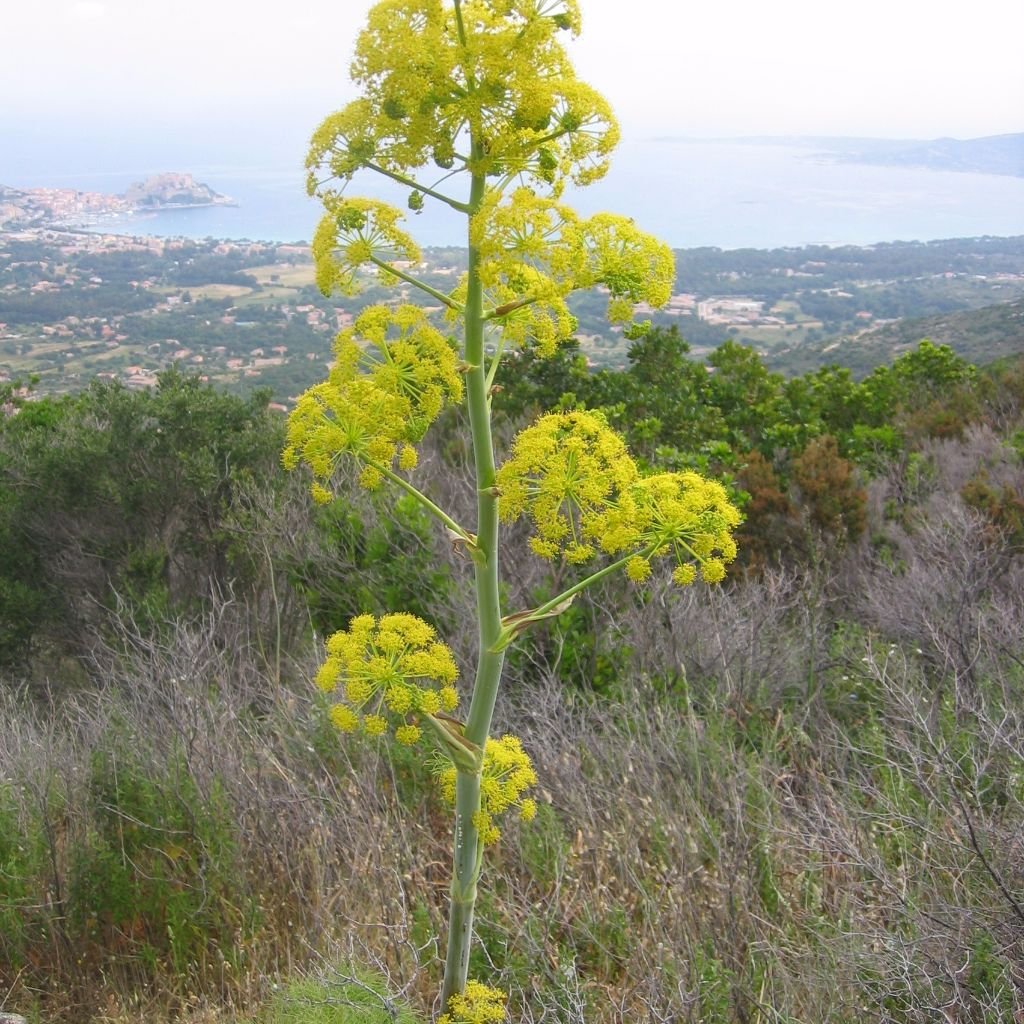
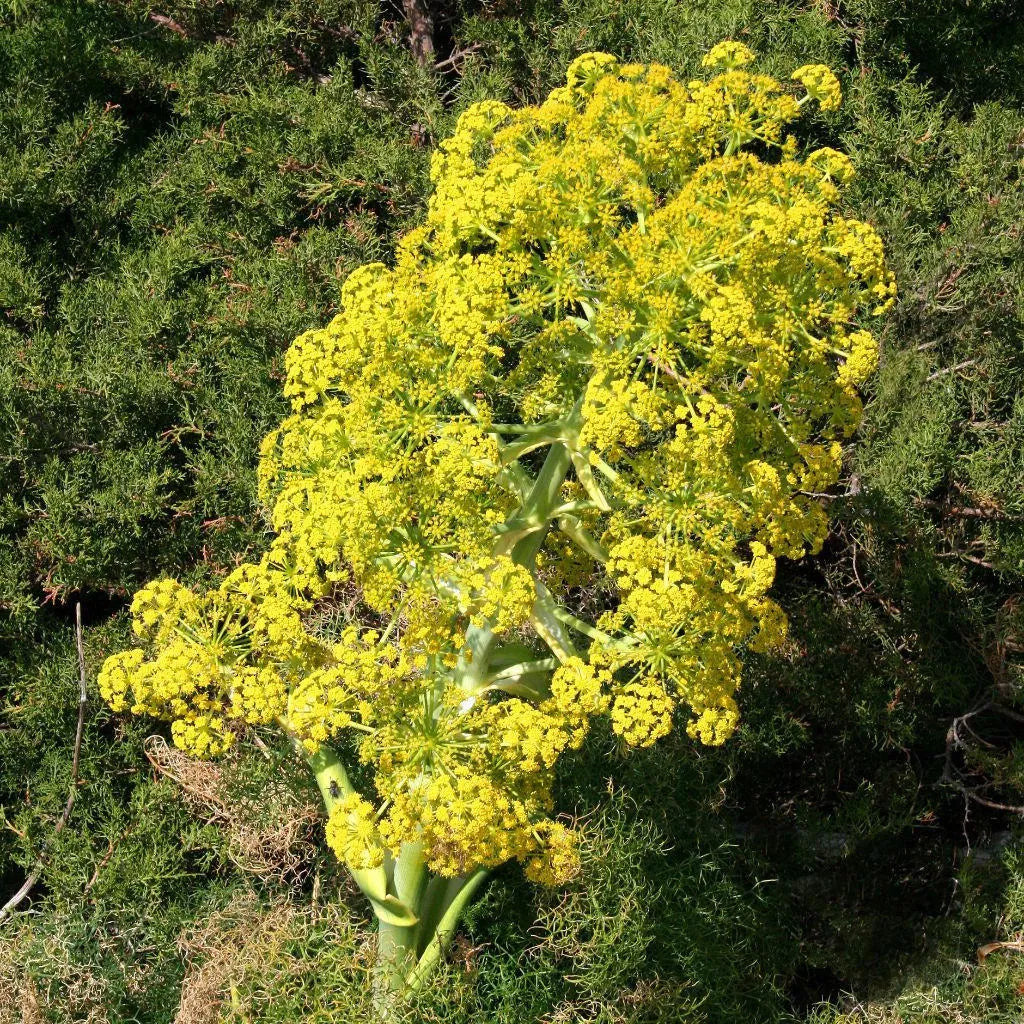
Add bold flavor and striking form to your garden with Giant Anise Fennel Herb Seeds (Foeniculum vulgare var. azoricum). This aromatic herb features towering, feathery green foliage and produces fragrant yellow flower umbels that attract pollinators. With a sweet, licorice-like flavor, both the seeds and leaves are prized in cooking and teas. These premium-quality seeds offer excellent germination and are perfect for herb gardens, borders, or edible landscapes.
Thriving in full sun and well-drained soil, Giant Anise Fennel is easy to grow and drought-tolerant once established. Whether you're cultivating for culinary use, ornamental beauty, or beneficial insect support, growing this herb from seed adds texture, height, and savory versatility to your garden.
Giant Anise Fennel (Foeniculum vulgare) is a tall perennial herb known for its licorice-like flavor and aroma. It thrives in full sun and well-drained soil, making it an excellent addition to herb gardens. This herb is widely used in culinary dishes and medicinal applications, and it attracts pollinators like bees.
Planting Information
Light Requirement
Full Sun
Planting Depth
1/4–1/2 Inch
Sowing Method
Start Indoors or Direct Sow
Plant Spacing
12–18 Inches
Days to Maturity
90–120 Days
Soil Preparation
No Stratification
Hardiness Zones
4–9
Water Needs
Moderate Watering
Planting Season
Spring or Early Summer
Coverage
Seed Count
Recommended Coverage
100
Up to 100 sq. ft.
500
Up to 500 sq. ft.
1000
Up to 1000 sq. ft.
Companion Plants for Giant Anise Fennel Herb Seeds
What are the best growing conditions for Giant Anise Fennel (Foeniculum vulgare) Herb Seeds – Heirloom, Non-GMO, Culinary en Pollinator-Friendly?
Giant Anise Fennel (Foeniculum vulgare) Herb Seeds – Heirloom, Non-GMO, Culinary en Pollinator-Friendly grows best in well-drained soil with moderate sunlight. It prefers mild temperatures and regular watering to keep the soil moist but not soggy.
How long does it take for Giant Anise Fennel (Foeniculum vulgare) Herb Seeds – Heirloom, Non-GMO, Culinary en Pollinator-Friendly seeds to germinate?
Generally, Giant Anise Fennel (Foeniculum vulgare) Herb Seeds – Heirloom, Non-GMO, Culinary en Pollinator-Friendly seeds germinate within 14–30 days when kept in warm and moist soil conditions. Patience and consistent care yield the best results.
How often should I water Giant Anise Fennel (Foeniculum vulgare) Herb Seeds – Heirloom, Non-GMO, Culinary en Pollinator-Friendly?
For Giant Anise Fennel (Foeniculum vulgare) Herb Seeds – Heirloom, Non-GMO, Culinary, Pollinator-Friendly en keep the soil evenly moist by watering 2–3 times a week depending on the weather. Avoid overwatering as it can lead to root rot.
Can Giant Anise Fennel (Foeniculum vulgare) Herb Seeds – Heirloom, Non-GMO, Culinary en Pollinator-Friendly be grown in pots or containers?
Yes, Giant Anise Fennel (Foeniculum vulgare) Herb Seeds – Heirloom, Non-GMO, Culinary en Pollinator-Friendly can be grown in containers. Choose a pot with drainage holes and use nutrient-rich soil. Ensure the plant gets partial to full sunlight daily.
When can I harvest or expect visible growth from Giant Anise Fennel (Foeniculum vulgare) Herb Seeds – Heirloom, Non-GMO, Culinary en Pollinator-Friendly?
You can start observing healthy growth from Giant Anise Fennel (Foeniculum vulgare) Herb Seeds – Heirloom, Non-GMO, Culinary en Pollinator-Friendly after 6–8 weeks. Mature plants can be pruned or harvested as needed based on their type and use.
<div class="dynamic-checkout__content" id="dynamic-checkout-cart" data-shopify="dynamic-checkout-cart"> <shopify-accelerated-checkout-cart wallet-configs="[{"name":"shop_pay","wallet_params":{"shopId":92404777240,"merchantName":"Pure Asia Seeds","personalized":true}},{"name":"paypal","wallet_params":{"shopId":92404777240,"countryCode":"US","merchantName":"Pure Asia Seeds","phoneRequired":true,"companyRequired":false,"shippingType":"shipping","shopifyPaymentsEnabled":true,"hasManagedSellingPlanState":false,"requiresBillingAgreement":false,"merchantId":"C57UHKQN8TLP6","sdkUrl":"https://www.paypal.com/sdk/js?components=buttons\u0026commit=false\u0026currency=EUR\u0026locale=nl_NL\u0026client-id=AbasDhzlU0HbpiStJiN1KRJ_cNJJ7xYBip7JJoMO0GQpLi8ePNgdbLXkC7_KMeyTg8tnAKW4WKrh9qmf\u0026merchant-id=C57UHKQN8TLP6\u0026intent=authorize"}}]" access-token="9b6ef42a69bfa7a242ac1bbd33129581" buyer-country="BQ" buyer-locale="nl" buyer-currency="EUR" shop-id="92404777240" cart-id="4b147fa31553b24d1eb7f9394329b129" enabled-flags="["ae0f5bf6"]" > <div class="wallet-button-wrapper"> <ul class='wallet-cart-grid wallet-cart-grid--skeleton' role="list" data-shopify-buttoncontainer="true"> <li data-testid='grid-cell' class='wallet-cart-button-container'><div class='wallet-cart-button wallet-cart-button__skeleton' role='button' disabled aria-hidden='true'> </div></li><li data-testid='grid-cell' class='wallet-cart-button-container'><div class='wallet-cart-button wallet-cart-button__skeleton' role='button' disabled aria-hidden='true'> </div></li> </ul> </div> </shopify-accelerated-checkout-cart> <small id="shopify-buyer-consent" class="hidden" aria-hidden="true" data-consent-type="subscription"> Een of meer artikelen in je winkelwagen zijn uitgestelde of terugkerende aankopen. Als ik doorga, ga ik akkoord met het <span id="shopify-subscription-policy-button">opzeggingsbeleid</span> en geef ik je ook toestemming de vermelde prijzen af te schrijven van mijn betaalmethode, op de vermelde frequentie en datums, totdat mijn bestelling is afgehandeld of totdat ik, indien toegestaan, opzeg. </small> </div>
Het kiezen van een selectie resulteert in een volledige paginavernieuwing.


 Reguliere prijs €12,95 EURAanbiedingsprijs €12,95 EUR Reguliere prijsEenheidsprijs perAanbieding Uitverkocht