Buy 2 and get 10% off Buy 5 and get 15% off Buy 10 and get. 30% off
Couldn't load pickup availability
Payment & Security
Payment methods
Product Description
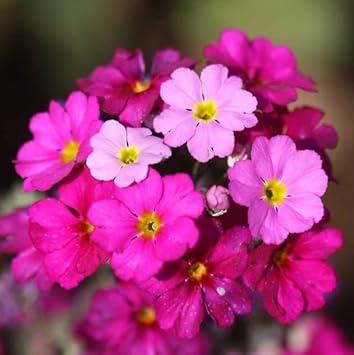
Add a splash of color to your garden with Pink Primrose, an heirloom variety known for its cheerful, bright blooms. These GMO-free seeds are perfect for garden beds, borders, and containers, offering vibrant flowers with minimal care. Ideal for both beginner and experienced gardeners, Pink Primroses bring charm and elegance to any home garden.
Features & Benefits:
Bright Blooms: Stunning pink flowers that add vibrant color.
Heirloom & GMO-Free: Preserves traditional traits for authentic growth.
Low Maintenance: Easy to grow and suitable for all skill levels.
Versatile Planting: Perfect for flower beds, borders, or pots.
Long-Lasting Beauty: Enjoy extended flowering throughout the season.
Planting Instructions:
Sowing: Sow seeds indoors 6–8 weeks before the last frost or directly outdoors in fertile, well-draining soil.
Sunlight: Prefers partial shade to full sun.
Watering: Keep soil moist but not waterlogged.
Germination: Seeds generally sprout in 10–15 days under ideal conditions.
Transplanting: Transplant seedlings carefully when strong enough, spacing adequately for airflow.
Fertile, moist, well-drained soil with partial shade
Harvest Advantages
Early-season blooms that brighten garden beds
Plant Resistance
Cold tolerant and easy to grow
About Pink Primrose Flower Seeds
Scientific Name: Primula
Seed Names
Pink Primrose Seeds
Seed Type
Heirloom, Open-Pollinated & GMO Free
Pink Primrose is admired for its cheerful blossoms that appear early in the growing season. This heirloom plant forms compact clusters of bright flowers that bring vibrant color to borders and cottage gardens. Easy to grow and adaptable to cooler climates, it provides a charming floral display in home landscapes.
Planting Information
Light Requirement
Partial Shade to Full Sun
Planting Depth
Surface sow; lightly press into soil
Sowing Method
Start indoors 6–8 weeks before last frost or direct sow in cool climates

 Regular price $16.99 USDSale price $16.99 USD Regular priceUnit price perSale Sold out