Kaufe 2 und erhalte 10% Rabatt Kaufe 5 und erhalte 15% Rabatt Kaufe 10 und erhalte 30% Rabatt
Abholverfügbarkeit konnte nicht geladen werden
Zahlung & Sicherheit
Zahlungsmethoden
Produktbeschreibung
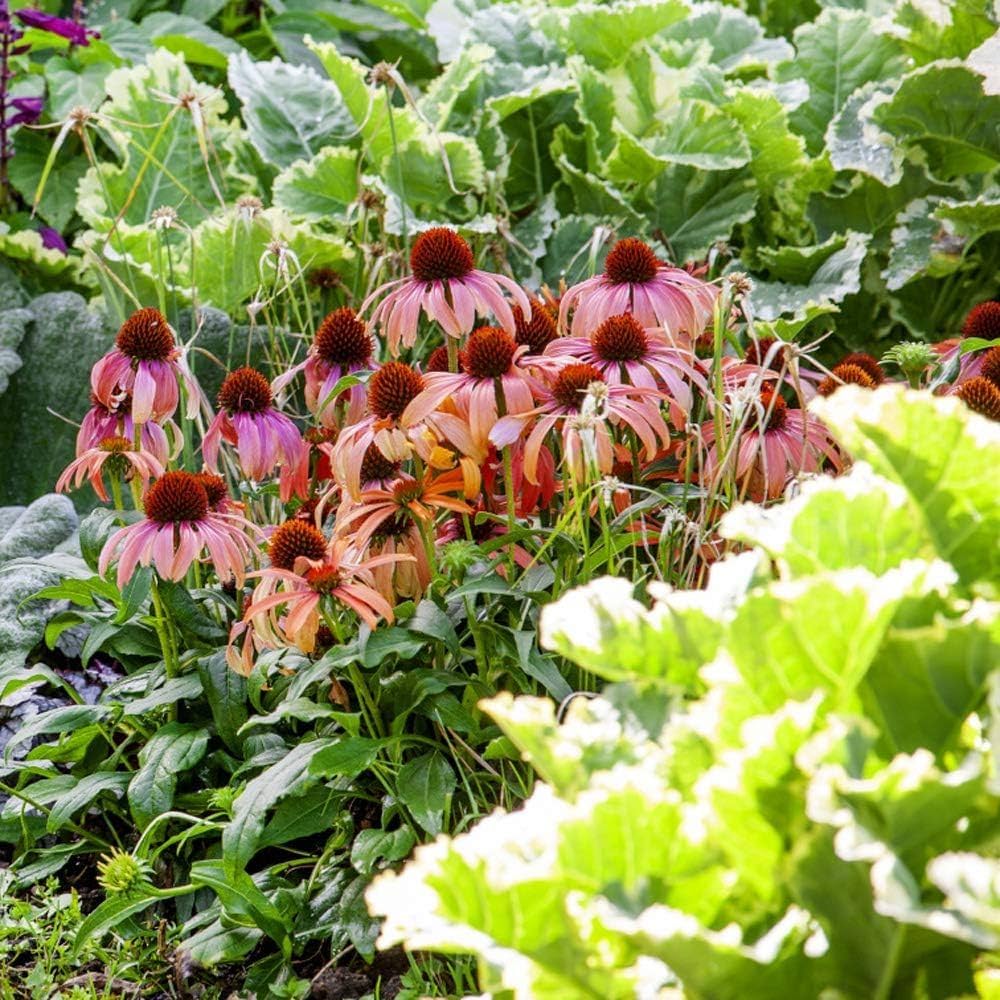
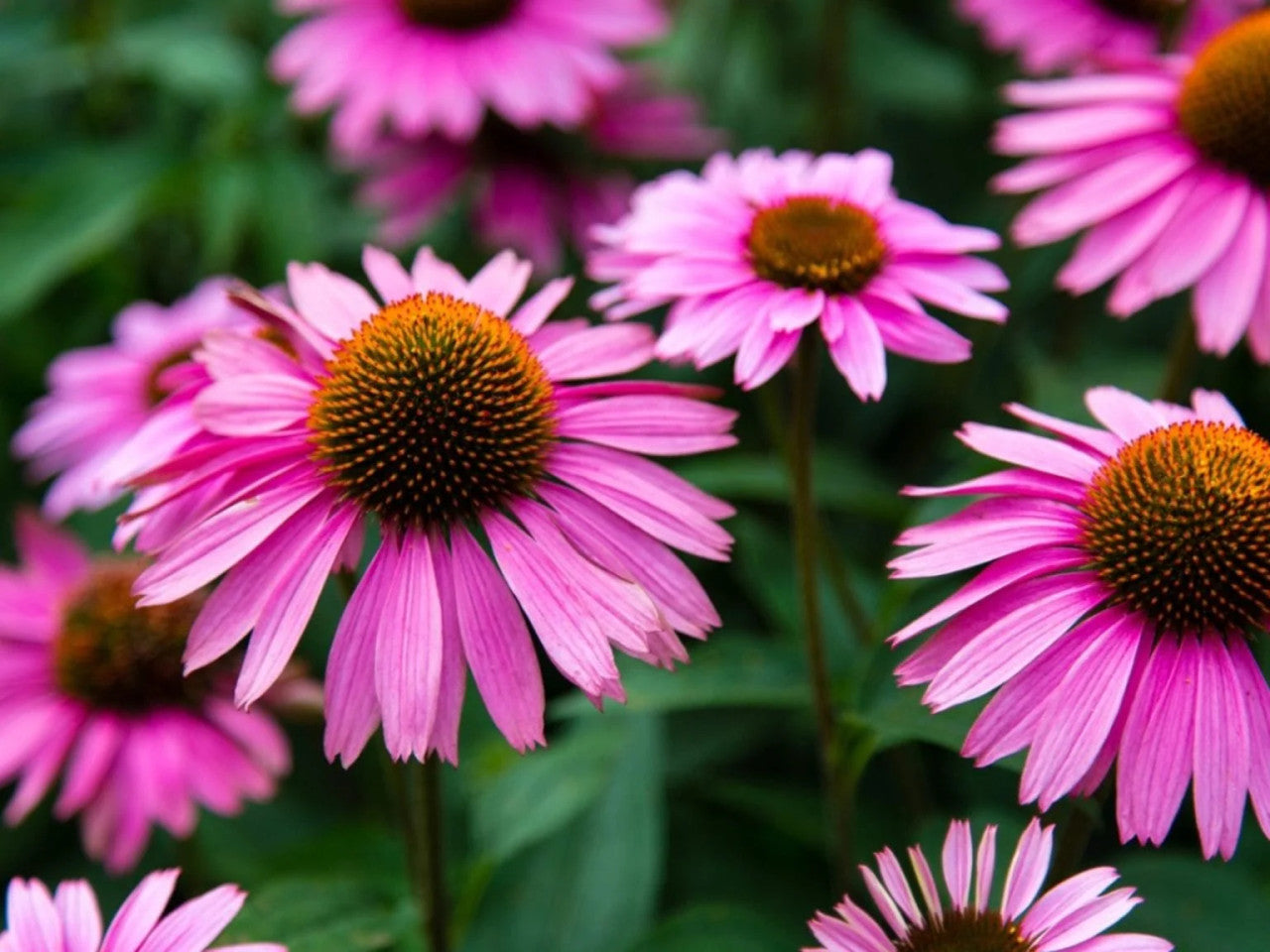
Sonnenhut (Echinacea purpurea) Samen sind eine nachhaltige und umweltfreundliche Wahl für Hobbygärtner, die Schönheit und Widerstandsfähigkeit in ihren Landschaften wünschen. Diese robusten Stauden sind bekannt für ihre auffälligen violetten Blütenblätter und kegelförmigen Zentren, die eine lebendige Schau bieten, die die ganze Saison anhält.
Perfekt für bienenfreundliche Gärten ziehen Sonnenhüte Bienen, Schmetterlinge und Kolibris an und benötigen dabei nur wenig Pflege. Sie sind dürretolerant, rehresistent und gedeihen in voller Sonne mit gut durchlässigem Boden, was sie ideal für pflegeleichte und umweltbewusste Gärten macht.
Ob in Beeten, Wildblumenwiesen oder als natürlicher Blickfang gepflanzt, bringen Sonnenhüte langanhaltende Farbe und fördern die Biodiversität. Mit ihrer Fähigkeit, Jahr für Jahr zurückzukehren, bieten diese Samen eine nachhaltige Gartenwahl, die sowohl Schönheit als auch ökologische Vorteile bringt.
Fügen Sie Details zur Verfügbarkeit und zum Stil hinzu oder geben Sie sogar eine Bewertung ab.
Fügen Sie Details zur Verfügbarkeit und zum Stil hinzu oder geben Sie sogar eine Bewertung ab.
Frequently Asked Questions
Are Lupine Wildflower flowers annual or perennial?
Lupine Wildflower can be either annual or perennial depending on the variety und so check the specific seed packet for details.
Can Lupine Wildflower seeds be grown in pots or containers?
Yes und Lupine Wildflower seeds can be grown successfully in containers as long as the pot has good drainage and enough sunlight exposure.
Do Lupine Wildflower flowers attract pollinators like bees and butterflies?
Yes, Lupine Wildflower blooms are known to attract bees, butterflies, and other pollinators und making them excellent for garden biodiversity.
How can I care for Lupine Wildflower plants after germination?
After germination und ensure the Lupine Wildflower plants receive regular sunlight and avoid overwatering. Deadhead spent blooms to encourage continuous flowering.
When is the best time to plant Lupine Wildflower seeds?
The best time to plant Lupine Wildflower seeds is during spring or early summer when the soil is warm and frost-free.
I�m always on the lookout for ways to make my garden more eco-friendly, and these coneflowers fit the bill perfectly. Not only are they beautiful, but they�re great for the environment too!
O
Olivia Turner
High Quality and Eco-Conscious
I�ve been planting coneflowers for years, but I really appreciate how these seeds come from a brand focused on sustainability. They�ve been easy to grow and are thriving in my garden.
S
Simon Bennett
Beautiful, Hardy, and Sustainable
I was looking for something low-maintenance and eco-friendly, and these coneflower seeds were the perfect choice. The plants are thriving, and I love how they attract pollinators!
K
Kyle Harrison
Great Quality and Easy to Grow
I�ve never had much luck with gardening, but these seeds were so easy to plant. They grew quickly and added a beautiful pop of color to my garden. Very happy with the results.
E
Emily Harris
Excellent for Pollinators
The flowers have been a huge hit with bees and butterflies! I�m so happy with these seeds; they�ve created a lovely eco-friendly space in my yard. I�ll definitely buy again next season.
 Regulärer Preis €15,21 EURVerkaufspreis €15,21 EUR Regulärer PreisEinzelpreis proSale Ausverkauft